
A Beginner’s Guide to Stretching at Home
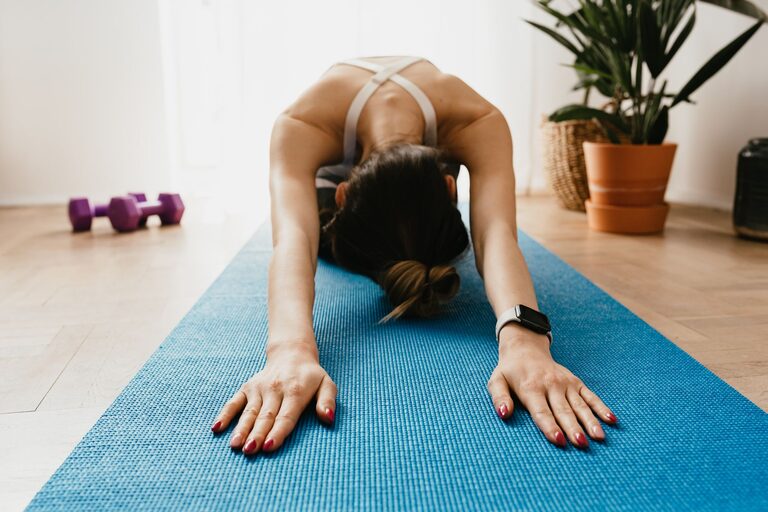
Stretching is a simple yet powerful way to improve your physical health and overall well-being. Whether you’re looking to increase flexibility, reduce muscle tension, or just create a relaxing routine at home, stretching offers many benefits without the need for special equipment or a gym membership. This beginner’s guide will walk you through everything you need to know to get started with stretching in the comfort of your own home.
Why Stretch at Home?
Stretching at home is convenient and cost-effective. It allows you to fit movement into your daily schedule without the pressure of a gym or class setting. Regular stretching can:
– Improve flexibility and range of motion
– Reduce muscle stiffness and soreness
– Enhance circulation
– Promote relaxation and reduce stress
– Prepare your body for physical activity
Starting a stretching routine does not require prior experience or athletic skill. With just a bit of space and some dedicated time, you can enjoy all these benefits.
Getting Ready to Stretch
Before you begin, here are a few simple tips:
– Choose a Comfortable Space: Find a quiet spot with enough room to move your arms and legs freely.
– Wear Comfortable Clothing: Loose, breathable clothes will help you stretch comfortably.
– Use a Mat or Soft Surface: Stretching on a yoga mat or carpeted floor protects your joints.
– Warm Up Briefly: Spend 3–5 minutes warming up with light activity like walking or marching in place to increase blood flow.
Basic Principles of Stretching
Understanding the right approach will help you avoid injury and get the most from your stretches:
– Stretch Slowly: Move into each stretch gradually. Avoid bouncing or jerky movements.
– Hold, Don’t Bounce: Hold each stretch steady for 15–30 seconds. Bouncing may cause muscle strain.
– Breathe Deeply: Take slow, deep breaths to relax your muscles.
– Listen to Your Body: Stretch to a point of gentle tension, not pain.
– Stretch Both Sides: Be sure to stretch symmetrically, balancing flexibility on both sides of your body.
Simple Stretching Exercises for Beginners
Here are some easy stretches to add to your home routine. Aim to perform these 3–4 times per week or daily if possible.
1. Neck Stretch
– Sit or stand up straight.
– Slowly tilt your head toward your right shoulder until you feel a gentle stretch.
– Hold for 20 seconds.
– Switch sides and repeat.
2. Shoulder Stretch
– Cross your right arm across your body at chest height.
– Use your left hand to gently pull your right arm closer.
– Hold for 20-30 seconds.
– Switch sides.
3. Chest Opener
– Clasp your hands behind your back.
– Straighten your arms and gently lift your chest while squeezing your shoulder blades together.
– Hold for 20-30 seconds.
– Release and repeat.
4. Cat-Cow Stretch (for spine mobility)
– Get on all fours with hands under shoulders and knees under hips.
– Inhale as you arch your back, lifting your head and tailbone (cow position).
– Exhale as you round your spine, tucking your chin and tailbone (cat position).
– Repeat 5-10 times slowly.
5. Seated Hamstring Stretch
– Sit on the floor with your legs extended straight.
– Reach forward toward your toes, keeping your back straight.
– Hold the stretch for 20-30 seconds without bouncing.
– Relax and repeat.
6. Standing Quadriceps Stretch
– Stand near a wall or chair for support.
– Bend your right knee and bring your heel toward your buttocks.
– Hold your ankle with your right hand and keep your knees close.
– Hold for 20-30 seconds.
– Switch legs.
7. Calf Stretch
– Stand facing a wall with one foot forward and one foot back.
– Keep your back leg straight and press the heel into the floor.
– Lean forward slightly until you feel a stretch in your calf.
– Hold for 20-30 seconds, then switch sides.
Creating Your Own Routine
Start with 5 to 10 minutes and gradually increase the time as you become more comfortable. You can combine stretches from the list above or add new ones as you learn. Keep it consistent by choosing a regular time of day, such as after waking up or before bed.
Remember, the goal is to make stretching a relaxing and enjoyable habit, not a chore. Listen to your body and modify stretches as needed.
When to Be Cautious
While stretching is generally safe, it’s important to be mindful if you:
– Have existing injuries or chronic pain
– Experience sharp or sudden pain while stretching
– Are unsure about proper technique
In these cases, consider consulting a fitness professional or physical therapist for guidance.
Final Tips for Success
– Stay hydrated before and after stretching.
– Combine stretching with other forms of exercise for overall fitness.
– Use online videos or apps for guided stretching sessions if you prefer.
– Celebrate your progress and notice how stretching improves your daily comfort.
Stretching at home can be a wonderful way to enhance your health with minimal effort. By incorporating simple stretches into your routine, you’ll feel more flexible, relaxed, and ready to take on the day. Give yourself the gift of movement, one stretch at a time!