
How to Plan Balanced Meals Without Stress: A Simple Guide
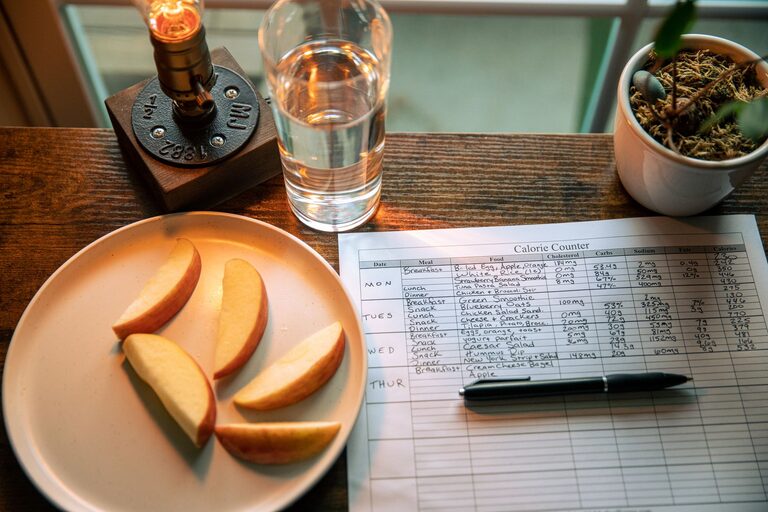
Planning balanced meals doesn’t have to be overwhelming or time-consuming. With a few simple strategies and a bit of preparation, you can create nutritious, satisfying meals that keep you energized and healthy—all without stressing about what to eat every day. Whether you’re new to meal planning or looking for ways to simplify your routine, this guide will help you approach balanced meals with confidence and ease.
What Is a Balanced Meal?
Before diving into meal planning tips, it’s helpful to understand what makes a meal balanced. A balanced meal typically includes:
– Protein: Helps build and repair tissues, supports immune function.
– Carbohydrates: Provide energy, especially from whole grains, fruits, and vegetables.
– Healthy Fats: Support brain health and absorb vitamins.
– Fiber: Keeps digestion smooth and helps you feel full.
– Vitamins and Minerals: Found in fruits, vegetables, nuts, and seeds, essential for overall health.
Including these components in your meals ensures you get a variety of nutrients your body needs.
Step 1: Start with a Simple Meal Framework
Instead of trying to create complicated dishes, use a basic template to build your meals. Here’s a straightforward example:
– 1/4 plate protein: chicken, fish, tofu, beans, or eggs
– 1/4 plate whole grains or starchy vegetables: brown rice, quinoa, sweet potatoes
– 1/2 plate non-starchy vegetables: spinach, broccoli, carrots, peppers
This approach lets you mix and match ingredients easily without overthinking portion sizes or nutritional values.
Step 2: Plan Ahead with Weekly Meal Prep
Preparing some parts of your meals in advance can reduce daily stress. Here’s how to start:
– Choose 2 to 3 proteins: Cook these in bulk, such as grilled chicken breasts or baked tofu.
– Prepare grains and veggies: Cook large batches of quinoa or rice and chop vegetables for quick use.
– Use versatile ingredients: Items like canned beans or frozen veggies save time and maintain nutrition.
– Pack snacks: Pre-portion nuts, seeds, or cut fruit for easy grabbing.
Set aside an hour or two on a weekend or a free evening to prep these basics so assembling meals during the week is faster.
Step 3: Keep Meal Ideas Simple and Flexible
Avoid feeling stuck by having a list of easy meal ideas that fit your framework. For example:
– Stir-fry: Combine pre-cooked protein, fresh or frozen vegetables, and a sauce with rice.
– Salad bowl: Layer leafy greens, beans or grilled chicken, vegetables, and a healthy dressing.
– Wraps or sandwiches: Use whole grain wraps, lean protein, lots of veggies, and a flavorful spread.
– Sheet pan meals: Roast protein and vegetables together on one tray for a quick, balanced dinner.
Having a handful of go-to meals means you spend less time wondering what to cook.
Step 4: Use Tools to Simplify Planning
Technology and simple tools can help keep things organized:
– Meal planning apps: Many apps let you plan meals, create shopping lists, and track nutrition.
– Printable planners: Use a weekly meal planner template to visualize your menu.
– Shopping lists: Write down only what you need to minimize waste and unnecessary trips.
– Batch cooking containers: Store prepped meals or ingredients in clear, labeled containers for easy access.
Find what works best for you to stay consistent without extra stress.
Step 5: Be Kind to Yourself and Stay Flexible
Remember, balanced eating is about progress, not perfection. It’s okay to enjoy occasional treats or quick convenience meals. If you miss a planned meal, don’t worry—focus on making the next one balanced.
Flexibility helps reduce stress and keeps meal planning enjoyable rather than a chore.
Bonus Tips for Stress-Free Balanced Meals
– Shop seasonal and local: Ingredients are often fresher and more affordable.
– Try one new recipe a week: Keeps mealtime exciting without overwhelming your routine.
– Use herbs and spices: Boost flavor without extra calories or salt.
– Stay hydrated: Drinking water supports digestion and overall wellness.
Conclusion
Planning balanced meals without stress is all about creating simple frameworks that work for your lifestyle and preparing in advance. By focusing on basic nutrition principles, prepping key ingredients, and keeping your meal ideas flexible, you can enjoy healthy eating without the hassle. Start small and build your routine over time—it’s easier than you think!
Related Post
How to Create a Simple Weekly Meal Plan in 5 Easy Steps
Discover simple strategies to plan your weekly meals efficiently, saving time and reducing stress in [...]